Playgrounds serve as vital spaces in schools where children can develop social, physical, and cognitive skills. Beyond fun and recreation, playgrounds influence students’ overall growth and well-being. In recent years, the design and functionality of school playground equipment have seen significant transformations. Modern trends reflect both the needs of children and the evolving approach to educational environments. Understanding these trends helps schools provide safer, more engaging, and inclusive outdoor experiences.
Emphasis on Safety and Durability
Safety continues to be the foremost priority in playground design. Equipment is now built using materials that resist wear, corrosion, and extreme weather. Surfaces are crafted to absorb impact, reducing the risk of injuries. Schools are increasingly opting for low-maintenance materials that remain durable over years of use. Soft rubber mats, engineered wood fibers, and recycled plastics have become popular choices. These materials not only protect children but also reduce long-term maintenance costs. Safety guidelines are strictly followed to meet regulatory standards, ensuring that every playground component, from slides to swings, is secure for daily use.
Durability complements safety. Play structures are now designed to handle large groups simultaneously, accommodating multiple children without compromising stability. Robust fastenings, reinforced joints, and anti-slip surfaces add layers of security. As schools invest in long-lasting playground solutions, they create spaces where students can explore freely and safely.
Inclusive Play Features
Modern playgrounds prioritize inclusion to support children of all abilities. Equipment now addresses the needs of students with physical, cognitive, or sensory challenges. Ramps, wider pathways, and low-height platforms allow wheelchair access. Sensory panels, tactile elements, and auditory features provide engagement for children with sensory processing differences. Schools are focusing on creating environments where all children feel welcome and can participate equally in play activities.
Inclusive playgrounds foster empathy and social development. Children learn to collaborate, assist one another, and engage in shared experiences. This trend reflects a broader understanding of diversity and the importance of equitable play opportunities in educational settings.
Nature-Inspired Design
Integration of natural elements has become a defining trend in playground planning. Schools are incorporating trees, gardens, and water features into play areas. Wooden structures and stone arrangements mimic outdoor landscapes, encouraging imaginative play. Natural design encourages exploration, problem-solving, and creativity. Children experience sensory stimulation through textures, sounds, and scents.
Nature-inspired equipment also promotes physical activity. Climbing structures resembling rocks or hills challenge motor skills, while balance beams imitate logs or branches. This approach encourages students to interact with the environment while developing coordination and strength. Schools adopting natural elements create calming and engaging spaces that go beyond traditional playground aesthetics.
Multi-Functional Equipment
Playgrounds now feature equipment with multiple uses to maximize engagement. Structures are designed for climbing, sliding, balancing, and imaginative role play. This trend allows schools to make the most of limited outdoor space while offering varied physical challenges.
Multi-functional equipment supports different age groups simultaneously. Younger children can enjoy simpler components, while older students engage with more complex structures. This approach encourages cooperation and peer interaction, as children of various abilities find activities suited to their skill levels. By integrating diverse functions into a single structure, schools create versatile play environments that evolve with students’ interests.
Active Play and Fitness Integration
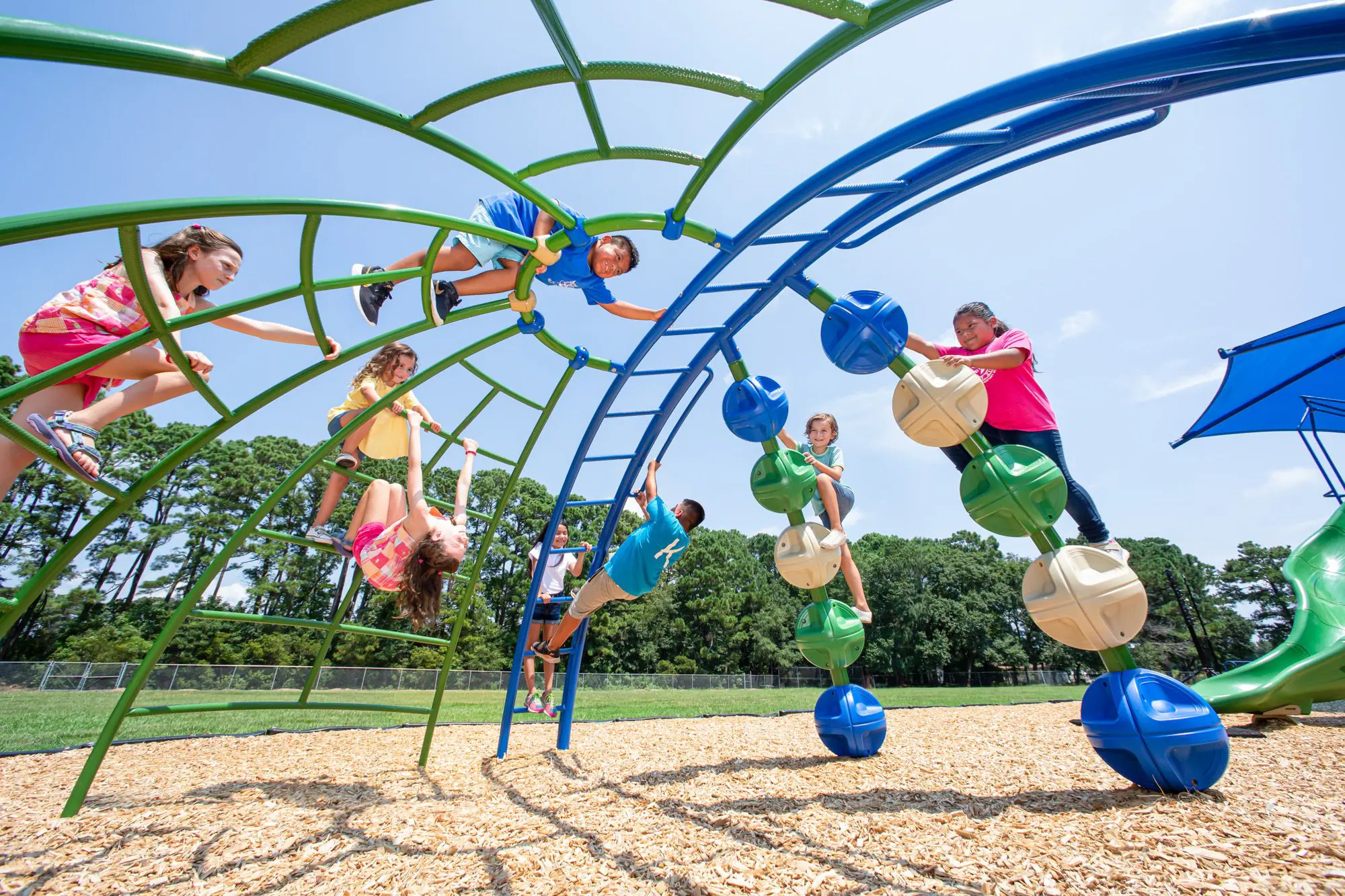
Physical activity is a crucial aspect of student health, and playgrounds are increasingly reflecting this focus. Schools are incorporating climbing walls, monkey bars, obstacle courses, and fitness stations to encourage movement. These features promote strength, balance, and cardiovascular endurance.
Playgrounds designed for active play support daily exercise routines without feeling like structured workouts. Children naturally engage in movement through games, challenges, and exploration. Fitness-oriented equipment blends fun with physical benefits, helping schools address childhood inactivity while providing stimulating outdoor experiences.
Technology-Enhanced Play
While traditional equipment remains important, technology is gradually becoming a part of playground design. Interactive panels, digital games, and augmented reality activities are emerging in some school settings. These innovations encourage problem-solving, coordination, and collaboration.
Technology-enhanced play allows schools to offer learning opportunities outside the classroom. Digital elements can provide feedback, track progress, and introduce new challenges. When balanced with conventional play, this trend creates a dynamic and stimulating environment where students benefit from both physical and cognitive engagement.
Sustainable and Eco-Friendly Materials
Environmental considerations influence playground development. Schools are opting for recycled plastics, sustainably sourced wood, and non-toxic coatings. Eco-friendly materials reduce environmental impact and teach children about sustainability.
Recycling initiatives also extend to surface materials. Rubber mulch made from recycled tires and composite decking made from reclaimed wood exemplify the commitment to sustainable design. Beyond ecological benefits, these materials are durable and require minimal maintenance, aligning with schools’ goals for safe, long-lasting playgrounds.
Social Interaction and Collaborative Spaces
Modern playgrounds encourage social engagement. Equipment now supports group activities, cooperative games, and imaginative role play. Spaces are designed for multiple children to interact simultaneously, fostering communication and teamwork.
Collaborative play strengthens emotional intelligence and conflict-resolution skills. Children learn to negotiate, take turns, and work as a group. Schools recognize that outdoor social experiences complement academic development, making playgrounds essential for holistic growth.
Trend Toward Customization
Customization is a growing consideration in playground planning. Schools are increasingly selecting structures that reflect their specific educational goals, cultural values, and space requirements. Flexible designs allow equipment to adapt as student populations change or new programs emerge.
Custom options may include themed play areas, age-specific zones, or mixed-function structures. By tailoring playgrounds to the unique needs of a school, administrators ensure that outdoor environments remain engaging and relevant over time.
Maintenance and Longevity
Maintenance remains a practical consideration. Schools seek equipment that withstands heavy use while requiring minimal repair. High-quality materials and protective finishes extend lifespan. Regular inspections, cleaning, and minor repairs prevent accidents and preserve functionality.
Long-term durability reduces replacement costs and disruption to student play. By planning for maintenance, schools ensure playgrounds remain safe, enjoyable, and visually appealing for years.
The Role of Commercial Equipment
Commercial-grade structures are central to modern playground design. Investing in commercial playground equipment for Schools ensures safety, durability, and compliance with standards. Such equipment is tested for quality, offering consistent performance under frequent use. While aesthetics and variety matter, reliability remains a priority for long-term success.
Commercial solutions allow schools to combine innovative trends with proven safety practices. With the right choices, administrators can create inclusive, engaging, and versatile playgrounds without compromising on security or durability.
Conclusion
School playgrounds have evolved from simple play areas into multifaceted environments that support growth, learning, and well-being. Trends now emphasize safety, inclusivity, physical activity, environmental responsibility, and social development. Natural design, multi-functional structures, and technological integration enhance children’s experiences while providing opportunities for collaboration and creativity.
By embracing modern trends and investing in high-quality equipment, schools can ensure that playgrounds remain stimulating, safe, and inclusive. These spaces continue to play a vital role in shaping healthy, active, and socially engaged students. Understanding current trends allows schools to create outdoor environments that meet diverse needs, balance fun with learning, and support holistic development for every child.