Proper ventilation plays a vital role in maintaining air quality and system efficiency. Whether used in residential, commercial, or light industrial settings, ducting must be installed with care. Poor fitting, weak sealing, or incorrect sizing can reduce airflow and increase energy use.
This guide explains how to approach BlauFast ducting installation with clarity and precision. The goal is to support safe fitting practices and long-lasting performance. Clear steps and structured planning help prevent common mistakes. With attention to detail, installation becomes more manageable and reliable.
Understanding BlauFast Ducting Systems
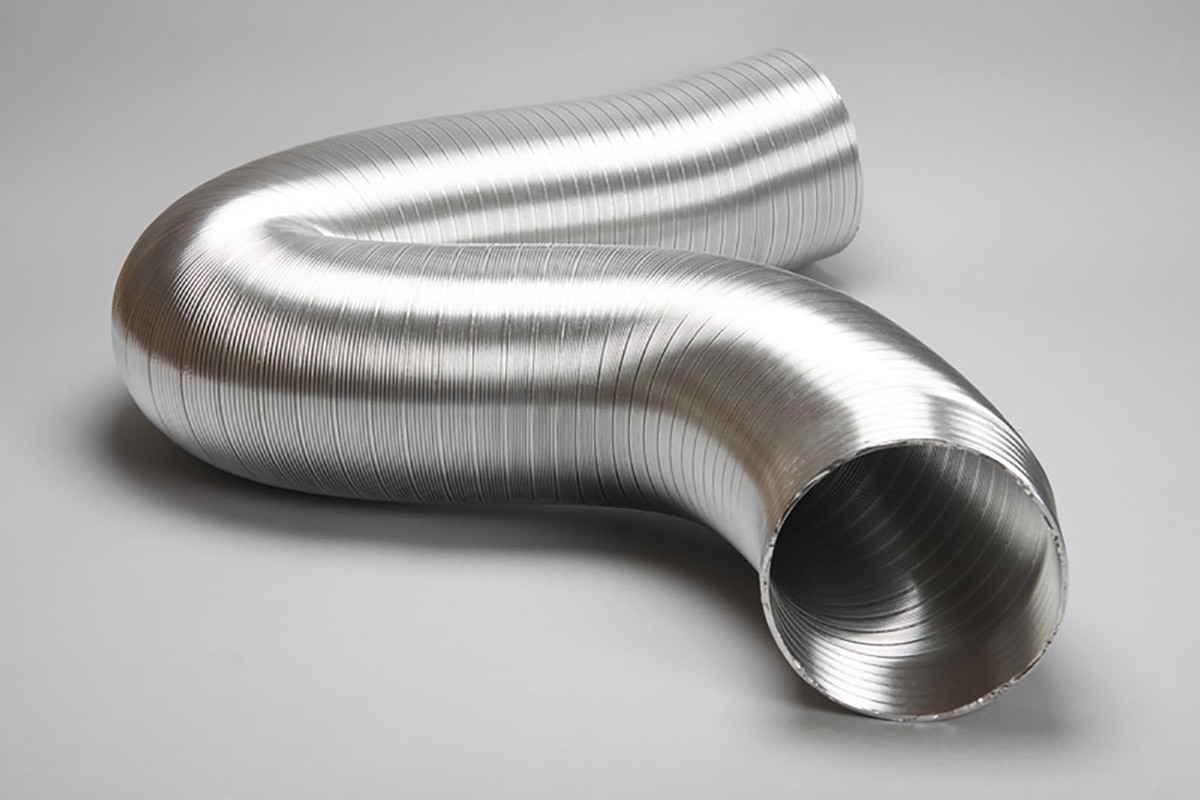
Before installation begins, it helps to understand what makes BlauFast ducting unique. This system often uses modular components with airtight seals. Flexible materials allow easier routing around structural obstacles.
Such systems are valued for quick assembly and efficient airflow control. However, benefits depend on the correct setup. Improper alignment or weak joint sealing may compromise performance.
Knowing each component’s purpose supports smoother installation. Connectors, bends, couplings, and seals must match the required airflow capacity. Using compatible fittings ensures stable connections and reduced air leakage.
Planning the Ducting Layout
Preparation sets the foundation for success. A clear layout reduces errors and prevents wasted materials. Measurement should occur before any component is cut or secured.
Start by reviewing building plans or conducting a site survey. Identify intake and exhaust points carefully. Consider ceiling height, wall structure, and available support surfaces.
Airflow efficiency depends on minimizing sharp turns and unnecessary bends. Each curve creates resistance that may reduce performance. Straight paths usually allow stronger circulation and lower pressure loss.
Marking installation routes with clear guidelines helps maintain accuracy. Avoid placing ducts near heat sources unless insulation is included. Allow adequate space for maintenance access when planning positions.
Tools and Materials Required
Successful fitting requires suitable equipment. A measuring tape ensures precise length calculations. A marker or pencil assists with layout marking.
A sharp cutting tool may be required for flexible sections. Ensure clean edges after cutting to maintain seal integrity. Protective gloves prevent minor injuries during handling.
Sealants or recommended locking rings are essential for airtight joints. Fasteners and support brackets provide structural stability. Using correct hardware prevents sagging over time.
Having all materials prepared before beginning reduces delays. Organized workspaces support smoother progress and improve safety standards.
Step-by-Step Installation Process
1. Measure and Cut
Accurate measurement comes first. Determine the required duct length for each section. Add a slight allowance for connector insertion.
Cut the duct evenly, avoiding crushed or uneven edges. Smooth edges help create tighter seals. Double-check measurements before securing components in place.
2. Connect Sections Securely
Attach connectors firmly to the duct ends. Ensure that locking mechanisms engage fully. Improper engagement may result in air leaks.
Push sections together until resistance is felt. Confirm alignment before tightening clamps or locking rings. Secure joints according to manufacturer recommendations.
When installing BlauFast ducting, consistency in connection methods ensures stable airflow and structural reliability. Each joint should feel tight without gaps.
3. Seal the Joints
Airtight connections improve system efficiency. Apply suitable sealing materials where required. Avoid excessive application that may obstruct airflow.
Inspect each joint after sealing. A quick visual check helps identify misalignment or loose fittings. Proper sealing reduces noise and air loss.
4. Support and Secure the Duct
Support brackets should be spaced evenly. Adequate support prevents sagging and strain on joints. Follow recommended spacing guidelines for stability.
Fix brackets to strong surfaces such as beams or studs. Avoid over-tightening fasteners that may deform the duct. Balanced support maintains airflow integrity.
5. Test the System
Testing confirms correct installation. Activate the ventilation system and observe airflow. Listen for unusual sounds that indicate leakage or loose connections.
Check each connection point manually. Feel for escaping air around joints. Address weak spots immediately to prevent long-term inefficiency.
Common Installation Mistakes to Avoid
Rushing the process often leads to errors. Skipping measurements may result in mismatched sections. Even small miscalculations can disrupt alignment.
Over-bending flexible ducts may restrict airflow. Gentle curves preserve internal diameter and airflow efficiency. Sharp compression should always be avoided.
Another frequent issue involves poor support placement. Long unsupported spans create sagging. Sagging increases pressure drop and weakens joint strength.
Neglecting insulation in certain environments may also create condensation problems. Moisture buildup affects air quality and structural surfaces. Consider environmental conditions during planning.
Maintenance and Inspection Tips
Installation marks only the beginning of system care. Regular inspection supports long-term efficiency. Periodic checks help detect minor issues before they escalate.
Inspect joints for wear or loosening. Temperature changes can affect material expansion. Tighten connectors if slight movement appears.
Dust accumulation may restrict airflow over time. Cleaning accessible sections maintains ventilation quality. Avoid harsh chemicals that may degrade materials.
Monitoring airflow performance helps detect hidden concerns. Reduced output may signal blockages or leaks. Early action preserves energy efficiency.
Safety Considerations
Safety should remain a priority throughout installation. Working at height requires stable ladders or platforms. Secure footing reduces the risk of falls.
Protective gloves guard against sharp edges. Eye protection prevents debris from irritating the eyes. Electrical tools should be handled with caution.
Ventilation systems may interact with heating or cooling units. Ensure compatibility before connection. Disconnect power sources when working near electrical systems.
Proper training improves overall safety. A clear understanding of installation methods reduces avoidable hazards.
Enhancing System Performance
Efficiency depends on thoughtful design and correct assembly. Reducing unnecessary bends improves airflow strength. Balanced routing supports consistent pressure distribution.
Insulated ducts may help regulate temperature in certain conditions. Stable temperature control reduces condensation risk. Proper material selection influences durability.
Strategic placement of intake and exhaust points enhances circulation. Even distribution prevents stagnant zones within a building. Good planning increases comfort and air quality.
Reliable installation of BlauFast ducting allows ventilation systems to operate at intended capacity. Attention to alignment, sealing, and support ensures lasting performance.
Conclusion
BlauFast ducting installation requires planning, accuracy, and careful execution. Each stage plays a meaningful role in overall system performance. From measurement to testing, consistent attention prevents common errors.
A structured approach supports efficient airflow and structural stability. Secure joints, balanced support, and proper sealing contribute to durability. Regular inspection maintains performance over time.
With clear preparation and steady workmanship, ventilation systems deliver reliable air circulation. Following practical steps reduces complications and promotes safe installation standards.